Sake brewing begins in October, when temperatures drop and conditions become stable. But the month that truly defines quality is January. This is when multiple production stages overlap, workloads peak, and every decision directly impacts the final sake. Traditionally, sake is brewed only in winter. While industrial producers operate year-round, small artisanal breweries may complete as few as ten brews per season, larger ones around one hundred. A single premium sake production cycle takes 60 to 90 days — placing January at the very center of the process.
Preparing the Rice – Precision to the Second
Highly polished rice is extremely delicate. Washing, soaking, steaming, and cooling must be precisely timed. In many breweries, detailed planning boards track every step of the day and week.
The soaking time is measured to the second to achieve optimal water absorption (around 30% of the rice’s weight). The following morning, the rice is steamed in a traditional Koshiki steamer for about one hour.
“Ideally, the rice grain is soft on the inside while remaining firm on the outside.”
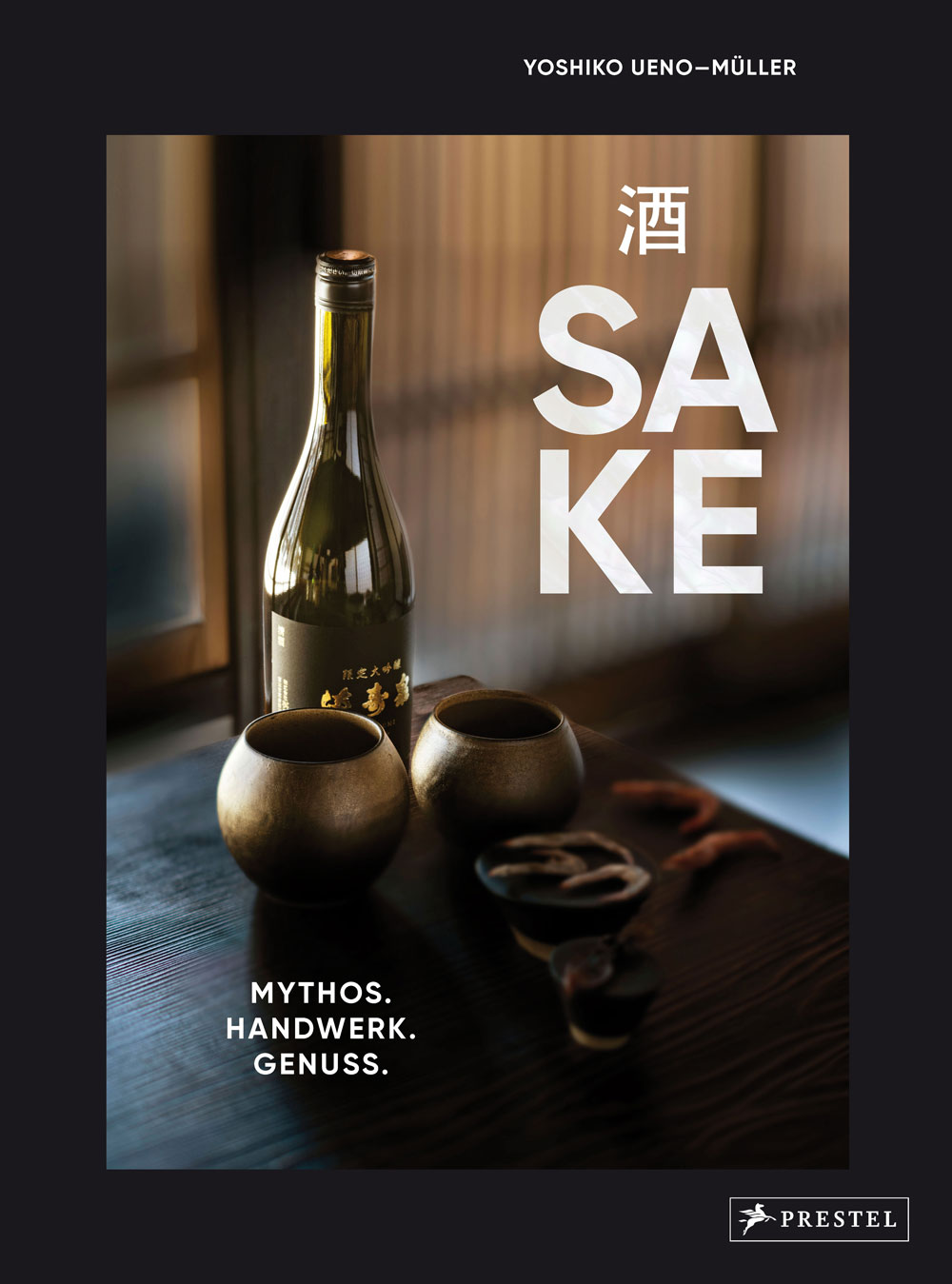
— Sake – Mythos. Handwerk. Genuss, Yoshiko Ueno-Müller
Over-steamed rice dissolves too quickly during fermentation, leading to excessive acidity and loss of balance. After steaming, the rice is cooled to about 30 °C — often in unheated halls during freezing winter temperatures.
Koji Rice – The Heart of Sake
Without koji, sake does not exist. Koji production takes 48 hours, followed by 24 hours of rest. Steamed rice is transferred to a warm, dry koji room and inoculated with koji mold spores. The mold produces enzymes that convert: starch into sugar protein into amino acids (umami)
Two main styles exist:
- Tsukihaze – for aromatic Ginjo styles
- Sohaze – for richer Junmai styles
In the final hours, the rice is checked, aerated, and redistributed repeatedly.
“The care given to fermenting rice grains resembles that of parents caring for a newborn.”
— Yoshiko Ueno-Müller
In January, some brewers sleep near the koji room to monitor conditions continuously.
Yeast Starter (Moto) – Sokujo, Kimoto, Yamahai
The yeast starter combines koji rice, steamed rice, water, and yeast.
- Sokujo: modern, controlled, approx. 14 days
- Kimoto: traditional, labor-intensive, approx. 30 days
- Yamahai: simplified Kimoto without mashing
Kimoto and Yamahai rely on natural bacterial development, resulting in pronounced acidity, umami, and depth.
Main Fermentation (Moromi)
The main mash is built in three stages (Sandan-Shikomi) to protect the yeast. Fermentation lasts 20–40 days. At first, enzymes convert starch into sugar. Yeast activity increases, bubbles peak after around ten days, and fruity aromas emerge. For premium Daiginjo, temperatures may drop to 5–10 °C.
Throughout January:
- values are measured daily
- the mash is tasted regularly
- adjustments are constant
The Toji decides the exact pressing moment — a critical point for style and balance.
Pressing, Filtration, Pasteurization
After fermentation, the mash is pressed (Shiboru) to separate sake from solids. Premium sake often uses gentle methods such as Fune-shibori or Fukuro-shibori.
This is followed by:
- sedimentation
- filtration (or intentionally none, e.g. Muroka)
- usually two pasteurizations at 60–65 °C
These steps ensure stability without sulfur.
Maturation – Calm After Intensity
Fresh sake is often rough. Most are matured 6–12 months to harmonize flavors.
Tanjuku type: light, refined, cold-matured
Nojuku (Koshu): darker, richer, warm-matured with notes of caramel, nuts, and spices
The foundations for maturation are laid during the intense winter months — especially January.
Conclusion
January is not just another month. It is:
physical endurance
precise craftsmanship
the ultimate test of experience
Small, quality-driven breweries deliberately avoid full automation to retain control over every step. That is why the most expressive, character-driven sake is born in winter — and defined in January.